

Understanding Sensory Sensitivity in Neurodivergent Children
When the World Feels a Little Too Much
Imagine walking into a busy shopping centre. There are bright lights, loud conversations, strong smells and people everywhere.
For some neurodivergent children, these everyday experiences can feel overwhelming.
A shirt label that feels irritating, a hand dryer that sounds too loud, or an unfamiliar food texture can cause genuine discomfort.
Children with autism, ADHD and other neurodevelopmental differences may experience sensory information differently. Understanding these differences can help parents recognise their child’s needs and provide better support.
What Is Sensory Sensitivity?
Sensory sensitivity refers to how a person responds to information received through their senses.
Some children are more sensitive to certain sensations, while others actively seek additional sensory input.
These responses are often described in two ways:
- Hypersensitivity: When a child is more sensitive to sensory input, such as loud noises, bright lights or certain textures.
- Hyposensitivity: When a child responds less strongly to certain sensations or seeks additional sensory experiences, such as jumping, spinning or touching different objects.
A child can experience both, depending on the sensory system and situation.
The 8 Sensory Systems Parents Should Know
1. Auditory – Hearing: Sensitivity to loud noises, sudden sounds or crowded environments.
2. Visual – Sight: Difficulty with bright lights, flashing screens or visually busy spaces.
3. Gustatory – Taste: Strong food preferences or difficulty with unfamiliar flavours and food textures.
4. Tactile – Touch: Discomfort with clothing labels, certain fabrics, sticky hands or unexpected touch.
5. Olfactory – Smell: Sensitivity to perfumes, cleaning products or strong food smells.
6. Vestibular – Balance and Movement: Differences in how children respond to swinging, spinning, climbing and movement.
7. Proprioceptive – Body Awareness: Differences in sensing body position, movement and how much force to use.
8. Interoception – Internal Body Awareness: Recognising internal signals such as hunger, thirst, temperature and needing the toilet.
What Does Sensory Overload Look Like?
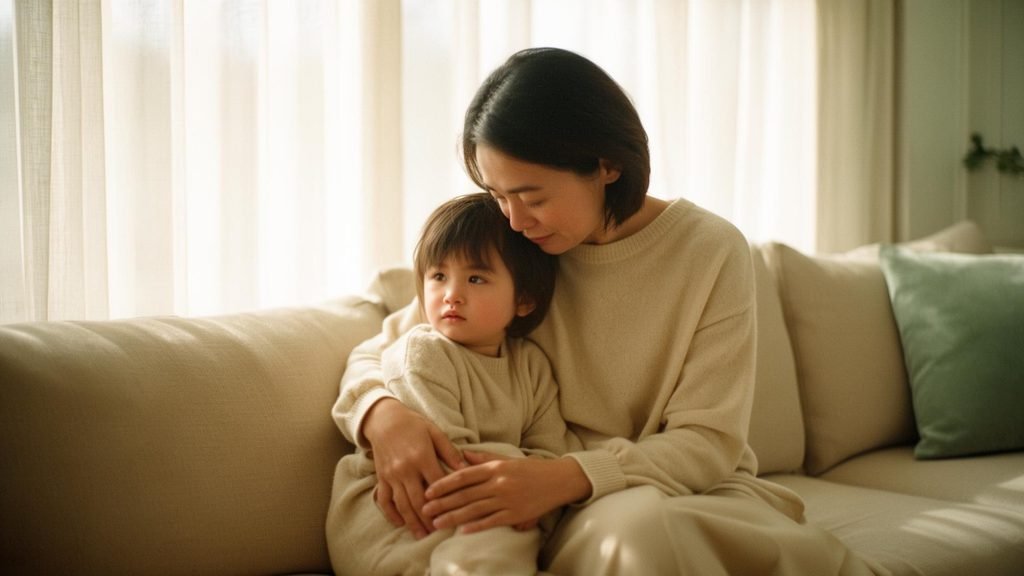
When sensory input becomes too much, a child may experience sensory overload.
You might notice:
- Covering their ears or eyes.
- Crying or becoming distressed.
- Avoiding busy environments.
- Becoming unusually quiet or withdrawn.
- Having difficulty communicating their needs.
These reactions are not necessarily misbehaviour. Sometimes, they are a child’s way of communicating that something feels overwhelming.
5 Ways Parents Can Help

Small adjustments can make everyday experiences more comfortable.
- Identify sensory triggers. Observe what situations, sounds, textures or environments make your child uncomfortable.
- Create a calm space. Provide a quiet, comfortable area where your child can take a break.
- Prepare for changes. Use visual schedules and simple reminders to help children understand what comes next.
- Respect their preferences. Avoid forcing children to tolerate uncomfortable sensations. Offer choices and introduce new experiences gradually.
- Seek professional support. An occupational therapist can help identify individual sensory needs and recommend appropriate strategies.
Every Child Deserves to Feel Understood
Every child experiences the world differently. What seems ordinary to us may feel overwhelming to someone else.
Understanding sensory sensitivity is not about changing a child’s behaviour or making them fit into the world around them. It’s about recognising their needs and finding ways to make everyday experiences more comfortable and inclusive.
At Just Buzz, we believe meaningful support starts with understanding the individual.
We’re here to support children and families as they build confidence, independence and meaningful connections within their communities.
Because every child deserves to feel understood.